Unlock the Flavor Explosion: How Roasted Vegetable Lasagna Will Change Your Dinner Game Forever
Lasagna is a classic comfort food, but let’s be honest—sometimes the traditional meaty, cheesy version can feel a bit heavy and predictable. Enter roasted vegetable lasagna, the unsung hero of weeknight dinners and impressive potlucks alike. This recipe isn’t just healthy; it punches your taste buds with layers of smoky-roasted veggies, gooey cheese, and perfectly seasoned sauces that’ll have you thinking, “Why didn’t I try this sooner?” Ready to transform your pasta night into a gourmet fiesta?
Let’s crack the code.
The Secret Behind This Recipe
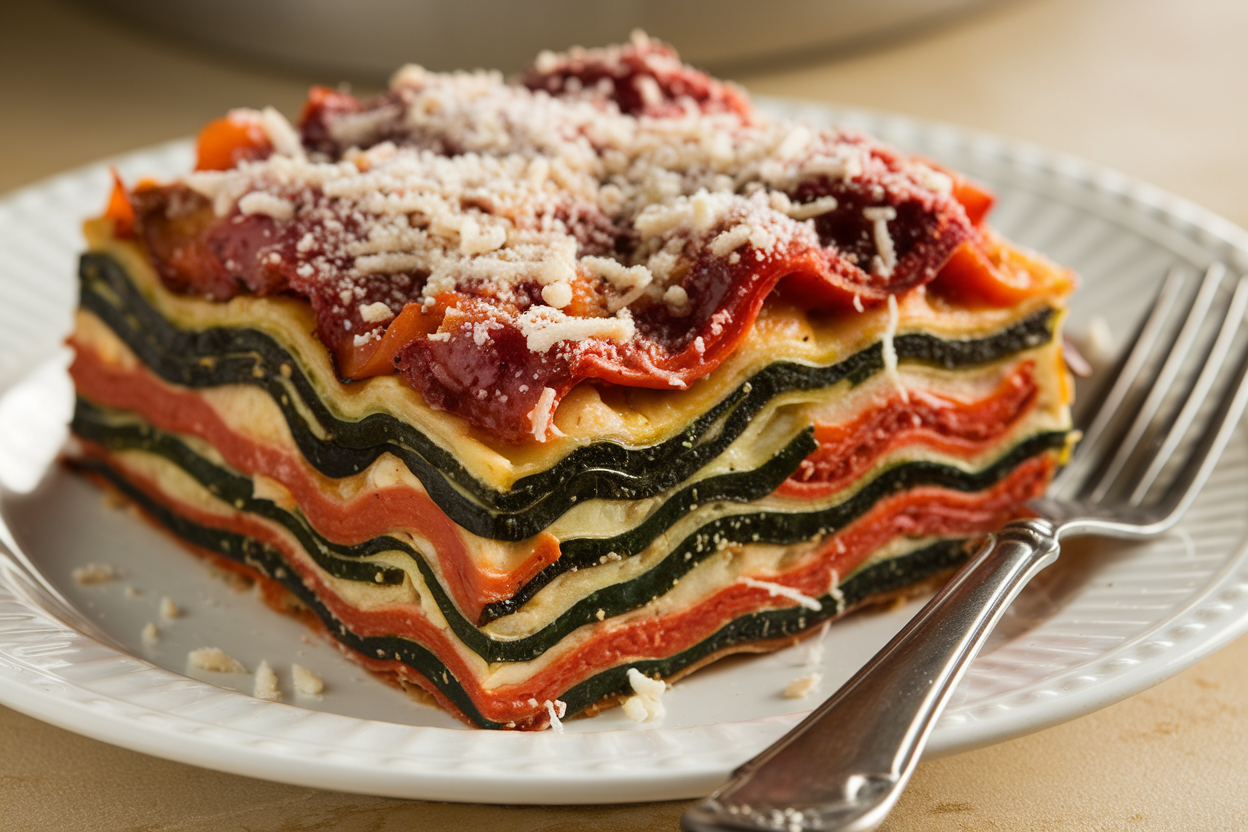
The magic of roasted vegetable lasagna lies in the roasting—not just any random veggie-sputtering on a pan, but a deliberate caramelization process that brings out the natural sweetness and intensifies flavors. When those tender, slightly charred veggies meet the rich blend of ricotta, mozzarella, and marinara, it’s like a flavor pow-wow in your mouth. The trick is layering flavors and textures.
Roasting reduces moisture so your lasagna doesn’t get soggy, and the veggies develop a smoky depth that fresh or boiled vegetables just can’t touch. Plus, swapping out heavy meats for hearty vegetables means you get all the comfort with none of the guilt. Win-win.
Shopping List – Ingredients
- 9-12 lasagna noodles (no-boil or regular)
- 2 medium zucchinis, sliced into thin rounds
- 2 red bell peppers, sliced into strips
- 1 large eggplant, cut into 1/4 inch rounds
- 1 large red onion, sliced
- 3 cups fresh spinach
- 4 cups marinara sauce (store-bought or homemade)
- 2 cups ricotta cheese
- 3 cups shredded mozzarella cheese
- 1/2 cup grated Parmesan cheese
- 3 cloves garlic, minced
- 2 tablespoons olive oil
- Salt and pepper, to taste
- 1 teaspoon dried oregano
- Fresh basil, for garnish (optional)
How to Make It – Instructions
- Preheat the oven to 425°F (220°C).
Line a baking sheet with parchment paper or foil.
- Prepare your vegetables: Toss zucchini, eggplant, red peppers, and onion with olive oil, salt, pepper, and dried oregano.
- Roast the veggies for 25–30 minutes, flipping halfway, until caramelized and tender. Pro tip: Don’t overcrowd the pan; you want them to roast, not steam.
- Cook the lasagna noodles according to package instructions if you’re not using no-boil noodles. Drain and set aside.
- Mix ricotta cheese with minced garlic, a pinch of salt, and freshly ground pepper in a small bowl.
- Start layering: In a 9×13 inch baking dish, spread a thin layer of marinara sauce on the bottom.
- Layer 3-4 noodles over the sauce.
- Spread half the ricotta mixture over the noodles, then add a layer of roasted veggies and fresh spinach.
- Sprinkle with mozzarella and a bit of Parmesan.
- Repeat layering: sauce, noodles, ricotta, veggies, spinach, cheese.
- Finish with a top layer of noodles, marinara sauce, mozzarella, and Parmesan.
- Cover the dish with foil (tent it slightly so the cheese doesn’t stick) and bake for 25 minutes.
- Remove foil and bake another 15-20 minutes until bubbly and golden on top.
- Let it rest for 10 minutes before slicing.
Garnish with fresh basil if you’re feeling fancy.
How to Store
Got leftovers? Lucky you. Cover your roasted vegetable lasagna tightly with foil or plastic wrap and store it in the fridge for up to 4 days.
To reheat, pop individual portions in the microwave or oven until warmed through. Planning to keep it longer? Freeze it!
Wrap it securely in plastic wrap and foil, then freeze for up to 3 months. Thaw overnight in the fridge before reheating to keep the texture intact.
Nutritional Perks
Unlike your traditional lasagna loaded with heavy meats and excessive cheese, roasted vegetable lasagna offers a lighter, yet still satisfying, alternative. You’re loading up on fiber, antioxidants, and essential vitamins from the roasted eggplant, zucchini, and peppers—FYI, these veggies have cancer-fighting compounds and heart-healthy benefits.
Plus, swapping some cheese for spinach adds iron and folate without piling on calories. The dish’s protein mainly comes from cheeses and a modest amount of carbohydrates from noodles, making it a well-balanced meal that won’t knock you out like a heavyweight champ.
Pitfalls to Watch Out For
Even the best recipes have their tricks. First, watch the moisture levels — roasted veggies can still release water when baked, and soggy lasagna is a sad experience.
That’s why roasting is a must, and don’t forget to pat down any watery veggies before layering. Overcooking noodles can turn your lasagna into mush, and undercooking is just crunchy disappointment, so follow the timing well or trust no-boil noodles. Also, resist the urge to skimp on salt or seasoning; bland lasagna is a crime.
Lastly, keep an eye on the cheese layer to avoid burning it, unless you like it taste like a campfire disaster.
Alternatives
Not wild about eggplant or zucchini? No problem. Try swapping in mushrooms, butternut squash, or even artichoke hearts for a different flavor profile.
Go green and add kale or swiss chard instead of spinach. Craving extra protein? Toss in cooked lentils or crumbled tofu between layers for a vegan-friendly lift.
And cheese haters, don’t despair—silken tofu mixed with nutritional yeast can mimic ricotta’s creaminess. Basically, this recipe is a canvas—paint your veggie masterpiece however you want.
FAQ
Can I make this lasagna gluten-free?
Absolutely! Just swap the regular lasagna noodles with gluten-free ones.
Some brands even offer no-boil gluten-free noodles, making your prep even easier without sacrificing taste.
Do I have to roast all the vegetables?
Not necessarily, but roasting is what gives the veggies that rich, caramelized flavor and reduces moisture that can make lasagna soggy. You could sauté, but roasting is the gold standard here.
How do I make this vegan?
Replace ricotta with a vegan cashew cheese or tofu-based ricotta substitute, use vegan mozzarella, and swap Parmesan for nutritional yeast. Make sure your marinara sauce doesn’t contain cheese or meat products.
Can I prepare this lasagna ahead of time?
Yes!
Assemble it, cover with foil, and refrigerate up to 24 hours before baking. Just add a few extra minutes to bake time if it comes straight from the fridge.
Why is my lasagna watery?
Too much moisture usually comes from under-roasting the vegetables or not letting sauce layers dry enough. Pat your roasted veggies dry before layering, and don’t overload on sauce.
Wrapping Up
Roasted vegetable lasagna isn’t just healthier than its beefy cousin; it’s a flavor-packed, crowd-pleasing winner that proves veggies can absolutely steal the spotlight.
Whether you’re feeding a family, impressing friends, or just want a hearty meal that leaves you feeling light and satisfied, this recipe delivers in spades. So next time you crave comfort food that won’t weigh you down or bust your calorie bank, remember: roasting > boiling, layers > lumps, and veggies > regrets. Ready to roast, layer, and devour?
Your perfect lasagna is just around the corner.
Printable Recipe Card
Want just the essential recipe details without scrolling through the article? Get our printable recipe card with just the ingredients and instructions.