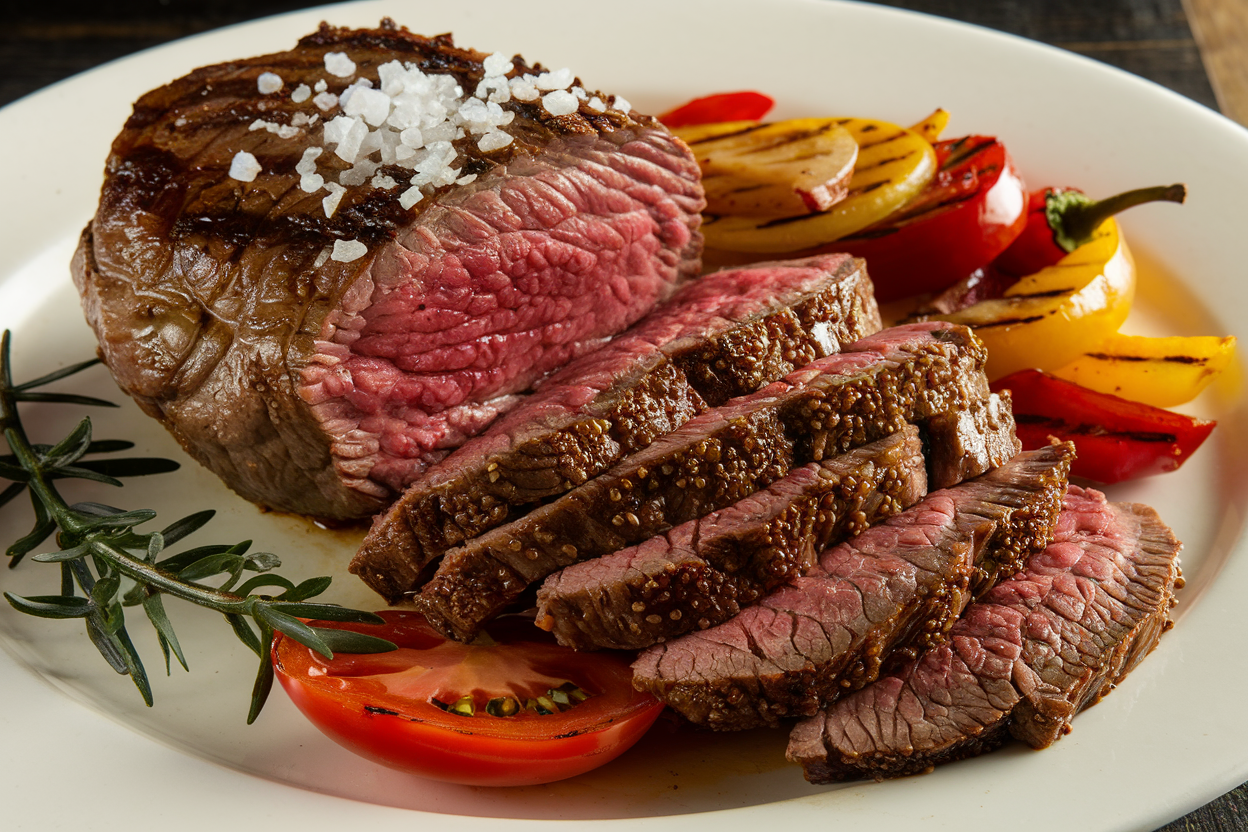
Santa Maria Roast Beef: The Bold, Backyard Legend Your Grill Has Been Begging For
Forget complicated foodie rituals. This is fire, salt, smoke, and swagger. Santa Maria Roast Beef is the kind of recipe that turns a regular Saturday into a “who made this?” moment.
It’s rich, rosy, and wrapped in a spice crust that tastes like campfire glory. You don’t need a culinary degree—just good beef, honest seasoning, and heat control. Ready to serve a plate that makes people stop talking and start chewing?
The Secret Behind This Recipe
Santa Maria-style cooking comes from California’s Central Coast, where tri-tip became king.
We’re channeling that tradition into roast beef—leaner cuts, big flavor, and a crisp, peppery bark. The secret is twofold: a salt-forward rub and controlled, moderate heat to keep the inside juicy while building a crust. Equally key is wood smoke.
Classic red oak adds sweetness and depth, but any hardwood will do the job. Patience matters—let the rub work, let the meat rest, and your roast will slice like a dream.
Ingredients
- 3–4 lb beef roast (top sirloin, tri-tip roast, or eye of round for leaner slices)
- 2 tbsp kosher salt
- 2 tsp freshly cracked black pepper
- 2 tsp garlic powder
- 1.5 tsp onion powder
- 1 tsp smoked paprika (sweet or hot, your call)
- 1 tsp dried oregano
- 1/2 tsp dried thyme
- 1/2 tsp cayenne (optional, for heat)
- 2 tbsp olive oil
- 1 tbsp brown sugar (optional, for a touch of caramelization)
- Wood chunks or chips (red oak preferred; hickory or apple as backups)
- For serving: salsa fresca, grilled garlic bread, and a simple green salad
Cooking Instructions
- Trim and prep: Pat the roast dry. Trim excess surface fat and silverskin, but leave a thin cap if present for moisture.
- Make the rub: In a small bowl, mix salt, pepper, garlic powder, onion powder, smoked paprika, oregano, thyme, cayenne (if using), and brown sugar.
- Season aggressively: Coat the roast with olive oil.
Sprinkle the rub evenly on all sides, pressing to adhere. You should see seasoning—don’t be shy.
- Rest the seasoned roast: Let it sit at room temp for 30–45 minutes. This helps the salt start working and evens out cooking.
- Heat the grill or oven: For grill/smoker, preheat to 275–300°F with indirect heat and add a chunk of red oak.
For oven, set to 300°F and place a rack over a sheet tray.
- Smoke/roast low and steady: Place the beef on the cool side of the grill or in the oven. Cook until internal temp hits 115–120°F for rare or 125°F for medium-rare. This typically takes 60–90 minutes depending on thickness.
- Crust-building sear: Move the roast over direct high heat or crank a cast-iron skillet to blazing hot.
Sear 1–2 minutes per side to build color and bark. In the oven, switch to broil for 3–5 minutes, watching closely.
- Rest like you mean it: Transfer to a board, tent loosely with foil, and rest 15–20 minutes. The juices need to redistribute—science, not magic.
- Slice properly: Slice thin against the grain.
For tri-tip, note the grain changes halfway; rotate accordingly. Aim for 1/8–1/4-inch slices.
- Serve: Plate with salsa fresca, garlic bread, and a crisp salad. If you know, you know.
Preservation Guide
- Short-term storage: Refrigerate slices in a shallow container with any resting juices for up to 4 days.
- Freezing: Vacuum-seal or tightly wrap portions with juices; freeze up to 2 months.
Thaw overnight in the fridge.
- Reheating: Warm gently—covered—in a 250°F oven or in a skillet with a splash of beef stock. Avoid microwaving to oblivion (unless you like leather).
- Meal prep hack: Store sliced beef and salsa separately. Assemble sandwiches or bowls on demand to keep textures perfect.
Health Benefits
- High-quality protein: Beef provides complete amino acids for muscle repair and satiety, which can help curb snacking.
- Micronutrient-rich: Iron, zinc, and B12 support energy, immunity, and cognitive function.
Not bad for “just” roast beef.
- Lower sugar, higher flavor: The rub is primarily herbs and spices; optional brown sugar is minimal and mainly for browning.
- Lean cut options: Eye of round and top sirloin keep fats moderate while delivering that smoky, satisfying bite.
What Not to Do
- Don’t skip the rest: Cutting too soon forces juices out. You’ll cry. The roast will cry.
Everyone loses.
- Don’t blast from the start: Starting hot can overcook the exterior before the center rises to temp. Low-and-slow first, then sear.
- Don’t under-season: This style thrives on a bold, salty-peppery crust. Whispering seasoning won’t cut it.
- Don’t ignore the grain: Slicing with the grain equals chew-toy texture.
Turn the roast, find the lines, and cut across them.
- Don’t drown it: Sauce is a sidekick, not the hero. If you need a flood of sauce, your cook was off—FYI.
Recipe Variations
- Classic Tri-Tip Version: Use a 2.5–3 lb tri-tip. Cook to 125°F, sear, rest, and slice—remember the grain switch near the center.
- Herb-Citrus Upgrade: Add lemon zest and chopped fresh rosemary to the rub.
Finish with a squeeze of lemon for brightness.
- Espresso Crust: Swap 1 tsp paprika for 1 tsp finely ground espresso. Bitter-sweet bark = chef’s kiss.
- Chili-Lime Heat: Add ancho chili powder and a pinch of chipotle to the rub; finish with lime juice and cilantro.
- Oven-Only Approach: Roast at 275°F to target temp, broil briefly to crust, rest, then slice. Simple and weeknight-friendly.
- Sandwich Mode: Pile thin slices on toasted garlic bread with salsa fresca and a smear of horseradish crema.
Call it lunch, call it victory.
FAQ
What’s the best cut for Santa Maria Roast Beef?
Top sirloin or tri-tip delivers the most authentic flavor and tenderness. Eye of round works for lean, deli-style slices if you prefer it lighter.
Can I make this without a grill?
Absolutely. Use your oven at 275–300°F, then hit broil to form the crust.
You’ll miss a touch of wood smoke, but the rub carries tons of flavor.
How do I know when it’s done?
Use a thermometer—guessing is for reality TV. Pull at 115–120°F for rare or 125°F for medium-rare; it will rise 5–10°F while resting.
What wood should I use if I can’t find red oak?
Hickory for punch, apple for subtle sweetness, or oak blends. Avoid resinous woods like pine—unless you enjoy eating candles (please don’t).
Can I marinate instead of using a dry rub?
You can, but you’ll trade bark for moisture.
Santa Maria style shines with a dry rub, IMO. If marinating, dry the surface before cooking to still get a crust.
How thin should I slice?
Aim for 1/8–1/4-inch. Thinner slices feel more tender and are perfect for sandwiches or platters.
Is resting really necessary?
Yes.
Resting redistributes juices, ensuring slices are moist instead of weeping all over the board. It’s the cheapest “upgrade” you can make.
Wrapping Up
Santa Maria Roast Beef is proof that simple, high-heat honesty still wins. Season boldly, cook gently, sear hard, and slice smart.
You’ll get rosy, beefy slices with a peppery bark that tastes like a day on the Central Coast. Make extra—you’ll want leftovers for sandwiches, salads, and bragging rights. Now light the fire and let the roast earn its reputation.
Printable Recipe Card
Want just the essential recipe details without scrolling through the article? Get our printable recipe card with just the ingredients and instructions.