Okonomiyaki (Japanese Cabbage Pancake): The Crispy, Saucy Street-Food Smash You Can Make Tonight
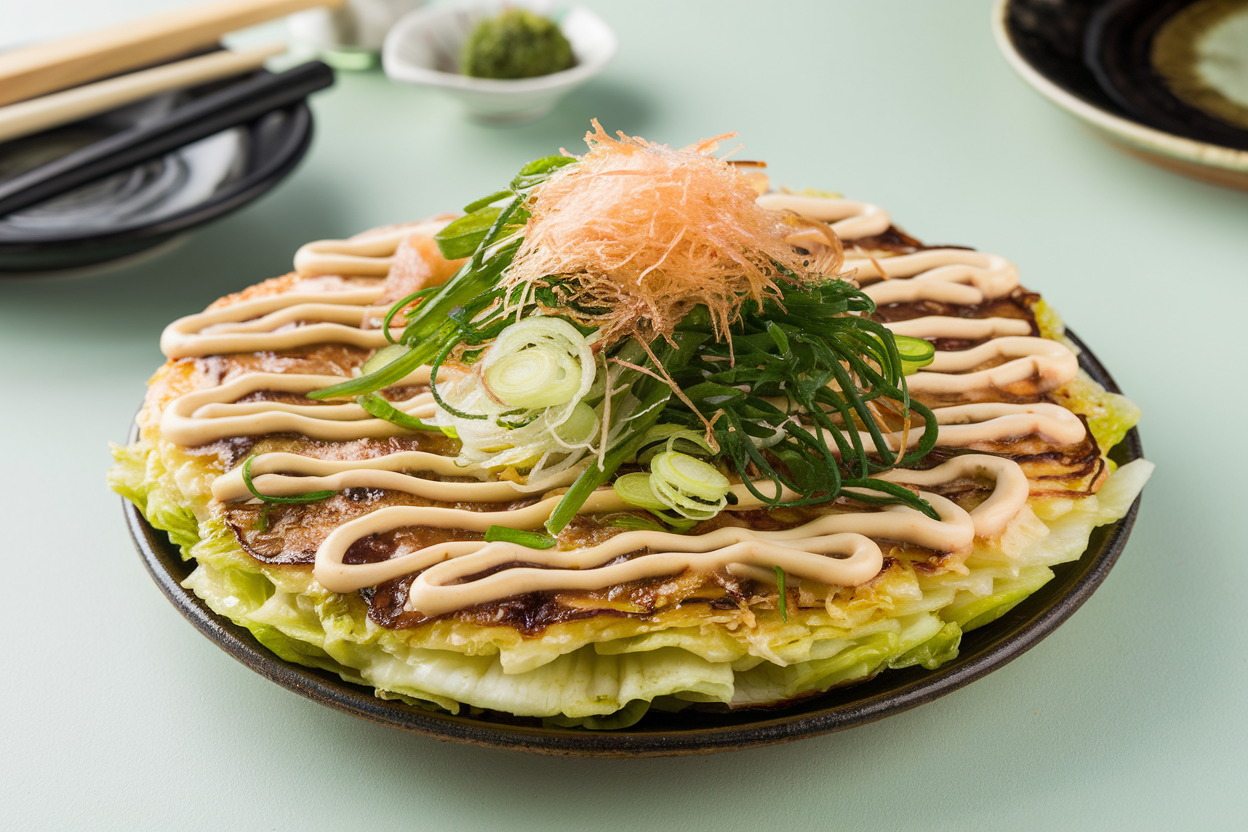
Forget boring weeknights. Picture a golden, crisp-edged pancake loaded with crunchy cabbage, smoky pork, and a drizzle of tangy-sweet sauce that makes your taste buds high-five. That’s okonomiyaki: part pancake, part pizza energy, all comfort.
It’s fast, customizable, and wildly satisfying—even if your knife skills are “meh.” You don’t need a teppan grill, a Japanese grandma, or a culinary degree—just a pan, some cabbage, and a hunger for greatness.
What Makes This Special
Okonomiyaki translates to “as you like it,” and that’s the whole vibe. You’re the boss of toppings, fillings, and sauce swagger. The batter is intentionally simple, letting the cabbage steam inside while the exterior crisps up like a dream.
It’s also a budget win: a few pantry staples and half a head of cabbage turn into a showstopper. There are two classic styles—Osaka (mix-everything) and Hiroshima (layered with noodles). This recipe leans Osaka style for max speed and crunch.
The payoff? A street-food classic at home, minus the travel cost or long lines.
What Goes Into This Recipe – Ingredients
- Cabbage: 4 packed cups finely shredded green cabbage (about 1/2 medium head)
- Green onions: 4, thinly sliced (reserve some for garnish)
- Eggs: 2 large
- Flour: 3/4 cup all-purpose (or okonomiyaki flour if you have it)
- Dashi or water: 2/3 cup (dashi adds umami; water works in a pinch)
- Baking powder: 1/2 teaspoon
- Salt: 1/2 teaspoon
- Sugar: 1/2 teaspoon (balances the batter—don’t skip)
- Tenkasu (tempura bits): 1/2 cup (optional, for extra crunch)
- Pickled red ginger (beni shoga): 2 tablespoons, chopped (optional but classic)
- Pork belly or bacon: 4–6 thin slices (or shrimp, squid, or tofu)
- Neutral oil: 2–3 tablespoons for frying
Sauces and Toppings
- Okonomiyaki sauce: 3 tablespoons (or mix 2 tbsp ketchup + 1 tbsp Worcestershire + 1 tsp oyster sauce + 1/2 tsp soy + tiny honey)
- Japanese mayo (Kewpie): 2 tablespoons
- Aonori (seaweed flakes): 1 teaspoon (optional)
- Bonito flakes (katsuobushi): A small handful (optional, they “dance” from the heat)
- Extra sliced green onions for garnish
The Method – Instructions
- Prep the cabbage like a pro: Core and finely shred. Finer shreds cook evenly and give better texture.
Aim for confetti, not ribbons.
- Make the batter: In a bowl, whisk flour, baking powder, salt, and sugar. Add dashi or water and whisk until just combined. Don’t chase perfection; a few small lumps are fine.
- Add the stars: Fold in the eggs, cabbage, green onions, tenkasu, and pickled ginger.
The mixture should look cabbage-heavy, not soupy.
- Heat the pan: Medium to medium-high heat with 1 tablespoon oil in a nonstick or well-seasoned skillet. Hot enough to sizzle, not smoke.
- Form the pancake: Spoon in half the mixture for one large pancake (or make two smaller). Pat into a round about 3/4-inch thick.
Don’t compress too hard—air = lightness.
- Add the pork: Lay bacon or pork belly slices across the top. They’ll render and self-baste as it cooks. Fancy, right?
- Let it ride: Cook 4–5 minutes until edges look set and the bottom is deeply golden.
Adjust heat to avoid burning.
- Flip confidently: Slide a wide spatula under, use a second spatula if needed, and flip in one bold move. Cook another 4–5 minutes. If thick, cover for 1–2 minutes to steam through.
- Finish and glaze: Flip one more time so pork is on top.
Brush with okonomiyaki sauce. The heat will make it glossy and sticky—chef’s kiss.
- Dress it up: Drizzle with zigzags of Japanese mayo. Sprinkle aonori, bonito flakes, and extra green onions.
Pause to admire the bonito “dance.”
- Repeat: Cook the second pancake with remaining batter, adding oil as needed. Serve hot and proud.
Keeping It Fresh
Leftovers? Rare, but fine.
Let the pancake cool, then wrap tightly and refrigerate up to 2 days. Reheat in a skillet over medium heat with a tiny splash of oil to revive crispness—microwave if you must, but it’ll be softer. Freeze cooked pancakes (unsauced) for up to 1 month; reheat from frozen in a covered skillet or 350°F/175°C oven for 12–15 minutes.
Sauce after reheating so it stays glossy, not soggy.
What’s Great About This
- Ridiculously customizable: Swap proteins, tweak toppings, go vegetarian—whatever fits your mood or fridge situation.
- Big flavor, small cost: Cabbage + pantry = street-food magic without the bill.
- Texture goals: Crispy edges, tender interior, smoky-savory toppings. It’s a symphony, but edible.
- Weeknight-friendly: One bowl, one pan, 25 minutes. You got this.
Don’t Make These Errors
- Overmixing the batter: Tough pancake, sad dinner.
Mix just until combined.
- Chunky cabbage: Thick shreds don’t cook through well. Keep it fine for even tenderness.
- Too-thin pancake: You’ll lose the custardy middle. Aim for about 3/4-inch thick.
- Low heat syndrome: Pale, soggy results.
Medium-high gives that caramelized crust.
- Sauce too early: Brush after the final flip so it sets and shines, not burns.
Variations You Can Try
- Hiroshima-style vibes: Layer cooked yakisoba noodles and a fried egg on top. Maximalist? Yes.
Worth it? Also yes.
- Seafood mix: Add chopped shrimp, squid, or scallops to the batter. Quick-cooking pieces only.
- Vegetarian delight: Skip pork, add mushrooms or corn, and boost umami with a splash of soy in the batter.
- Kimchi kick: Fold in 1/3 cup chopped kimchi and a teaspoon of kimchi juice.
Spicy, tangy, unstoppable.
- Cheese pull: Add a handful of shredded mozzarella between two thinner layers of batter for a melty center. Don’t @ me.
- Gluten-free: Use a 1:1 gluten-free flour blend and check sauces are GF. Batter may need a touch more liquid.
FAQ
Do I need special okonomiyaki flour?
It’s nice, not necessary.
It usually contains dashi and yam powder for extra bounce. Regular all-purpose flour plus dashi gets you 90% there, IMO.
What if I don’t have Kewpie mayo?
Use regular mayo with a tiny squeeze of lemon and a pinch of sugar. Kewpie is richer (egg yolk–based) and slightly tangy, but you can fake it well enough.
Can I make mini okonomiyaki?
Absolutely.
Smaller 4–5 inch pancakes are easier to flip and perfect for sharing or snacks. Reduce cooking time by a minute or two per side.
How fine should I shred the cabbage?
Very fine—about 1/8 inch or thinner. This ensures quick steaming and a soft interior without raw crunch.
A sharp knife or mandoline helps; just mind your fingers, please.
What’s a good substitute for tenkasu?
Crushed plain tempura chips or even panko lightly toasted in a pan with a bit of oil. Or skip it—texture will be slightly less airy but still excellent.
Why is my okonomiyaki gummy?
Likely overmixed batter or too much liquid. Keep the batter thick and cabbage-heavy, and avoid incessant stirring.
Also make sure heat is high enough to set the crust.
Can I bake it instead of frying?
You can, but you’ll lose the signature crust. If you must, bake in a greased skillet at 425°F/220°C for 12–15 minutes, then broil briefly to crisp the top.
Wrapping Up
Okonomiyaki is the rare dinner that’s fast, cheap, and low-effort yet feels like a flex. Crisp outside, tender inside, saucy on top—no notes.
Keep the core simple, customize the rest, and serve it hot with extra mayo zigzags for good luck. Tonight, your skillet doubles as a street stall—FYI, that first bite will ruin plain pancakes forever.
Printable Recipe Card
Want just the essential recipe details without scrolling through the article? Get our printable recipe card with just the ingredients and instructions.