Herbed Balsamic Chicken That Tastes Like a Fancy Dinner Party—In 30 Minutes
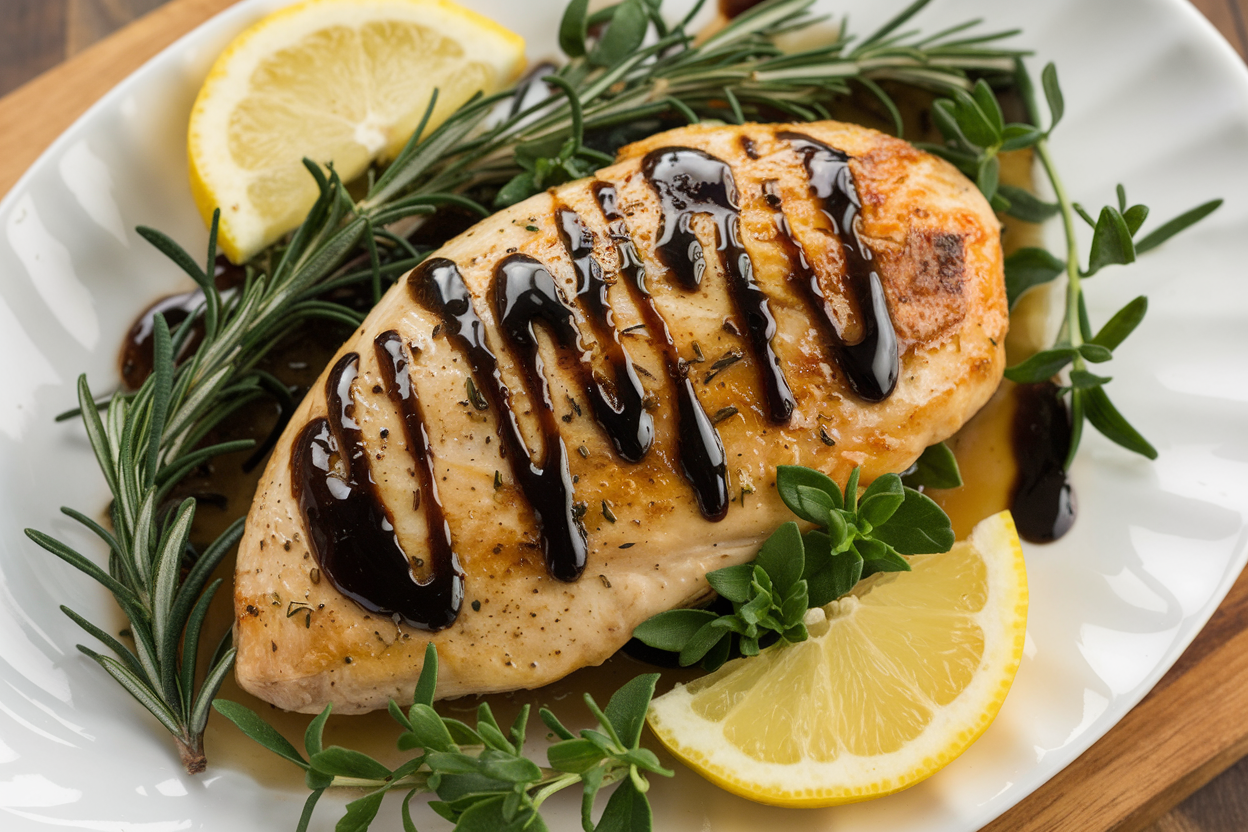
Skip the sad, dry chicken. This Herbed Balsamic Chicken slaps with tangy sweetness, herb-packed crust, and a glossy pan sauce that feels like you cheated at culinary school. No complicated steps, no weird ingredients, just strategic flavor stacking.
It’s weeknight-easy, date-night impressive, and honestly hard to mess up if you follow the playbook. If your chicken doesn’t usually get compliments, prepare to be suspiciously praised.
Why This Recipe Works
Acid + sweetness + fat = balance. Balsamic brings tang and depth, a touch of honey balances it, and olive oil carries the herbs and keeps the chicken juicy. The seasoning isn’t random—it’s layered so every bite hits savory, bright, and aromatic.
High-heat sear locks in juices. A hot pan creates a crust that traps moisture, then a quick oven finish (or covered pan finish) cooks evenly without drying.
The pan sauce reuses those browned bits, which are flavor gold, not “burnt stuff.”
Herb blend = flavor insurance. Garlic, thyme, rosemary, and parsley play well with balsamic’s sweetness. A dash of smoked paprika adds warmth and color, so the chicken looks as good as it tastes. Win-win.
What You’ll Need (Ingredients)
- 4 boneless, skinless chicken breasts (or 6–8 thighs; 1.5–2 lbs total)
- 1/3 cup balsamic vinegar (good-quality, syrupy preferred)
- 3 tablespoons extra-virgin olive oil
- 2 cloves garlic, minced
- 1 tablespoon honey (or maple syrup)
- 1 teaspoon Dijon mustard
- 1 teaspoon kosher salt (plus more to finish)
- 1/2 teaspoon black pepper
- 1 teaspoon dried thyme (or 1 tablespoon fresh, chopped)
- 1 teaspoon dried rosemary (or 1 tablespoon fresh, chopped)
- 1 teaspoon smoked paprika
- 1 tablespoon butter (optional, for sauce gloss)
- 1/4 cup chicken broth (or water)
- 2 tablespoons chopped fresh parsley (for finishing)
- Lemon wedges (optional, for serving)
Step-by-Step Instructions
- Pound for power. If using breasts, lightly pound the thick end to even thickness (about 3/4 inch).
Even pieces = even cooking. Pat dry.
- Make the marinade. Whisk balsamic, olive oil, garlic, honey, Dijon, salt, pepper, thyme, rosemary, and smoked paprika in a bowl until emulsified.
- Marinate. Toss chicken in the mixture. Rest 20–30 minutes at room temp (or up to 8 hours in the fridge).
Don’t skip the rest—flavor needs a minute, IMO.
- Preheat like you mean it. Heat a large skillet (cast iron preferred) over medium-high. If finishing in the oven, preheat to 400°F (205°C).
- Sear. Add a slick of oil to the hot pan. Let excess marinade drip off chicken; reserve the bowl.
Sear 3–4 minutes per side until browned. If using thick pieces, transfer skillet to oven for 6–8 minutes until internal temp hits 160–165°F (71–74°C).
- Rest the chicken. Move chicken to a plate and tent with foil. Rest 5 minutes.
This is where the juices redistribute instead of running away like your willpower near fries.
- Build the pan sauce. Return skillet to medium heat. Add broth and the leftover marinade from the bowl. Scrape up brown bits.
Simmer 2–3 minutes until slightly syrupy.
- Finish with butter. Whisk in butter off heat for a glossy, restaurant-level sauce. Taste and adjust salt/pepper.
- Serve. Slice chicken, spoon sauce over, and shower with parsley. Add a squeeze of lemon if you like extra brightness.
Preservation Guide
- Fridge: Store cooled chicken and sauce in an airtight container for up to 4 days.
Keep sauce separate if you want to avoid soggy edges.
- Freezer: Freeze sliced chicken (without parsley) and sauce in freezer bags for up to 3 months. Remove air for best texture.
- Reheat: Warm gently in a skillet with a splash of water or broth over low heat, covered, 5–7 minutes. Microwave works, but cover and use 50% power to avoid rubbery sadness.
- Meal prep tips: Slice before storing for faster reheat.
Portion into containers with grains and greens for automatic lunches.
Health Benefits
- Lean protein: Chicken breast delivers high-quality protein for muscle repair with minimal saturated fat. Thighs are a bit richer but still solid.
- Antioxidant edge: Balsamic vinegar contains polyphenols that may support heart health. Herbs like rosemary and thyme add anti-inflammatory compounds—small amounts, but every bit counts.
- Moderate calories, huge flavor: The sauce packs taste without heavy cream or buckets of sugar.
A little honey goes a long way.
- Blood sugar friendly (FYI): Protein and vinegar can help stabilize post-meal glucose when paired with fiber-rich sides like veggies or whole grains.
Don’t Make These Errors
- Skipping the pat-dry step. Wet chicken won’t brown; it steams. Paper towels are your friend.
- Overcrowding the pan. If pieces touch, they stew. Work in batches for that A+ sear.
- Cranking heat too high. Balsamic and honey can burn fast.
Aim for hot-but-not-smoking, and don’t walk away.
- Ignoring internal temp. Guessing leads to dry chicken. Use a thermometer and pull at 160–165°F.
- Throwing away the fond. Those browned bits are free flavor. Deglaze and smile.
Recipe Variations
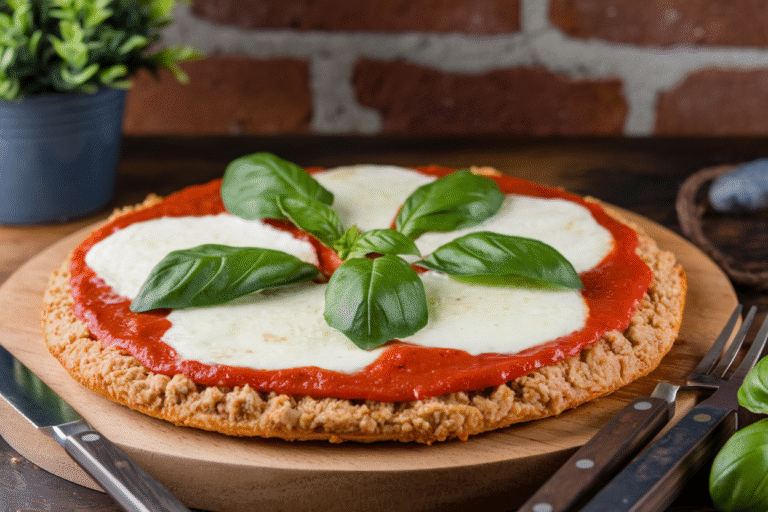
- Caprese-style: Top sliced chicken with fresh mozzarella, tomatoes, and basil; broil 1–2 minutes.
Extra balsamic drizzle to finish.
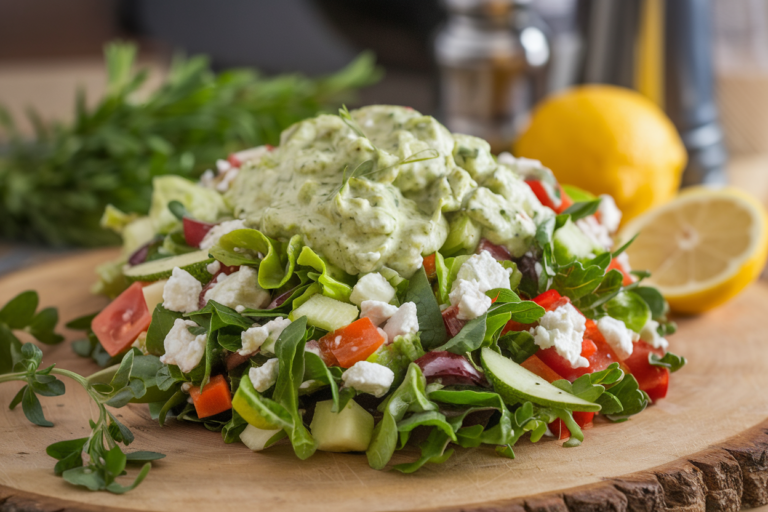
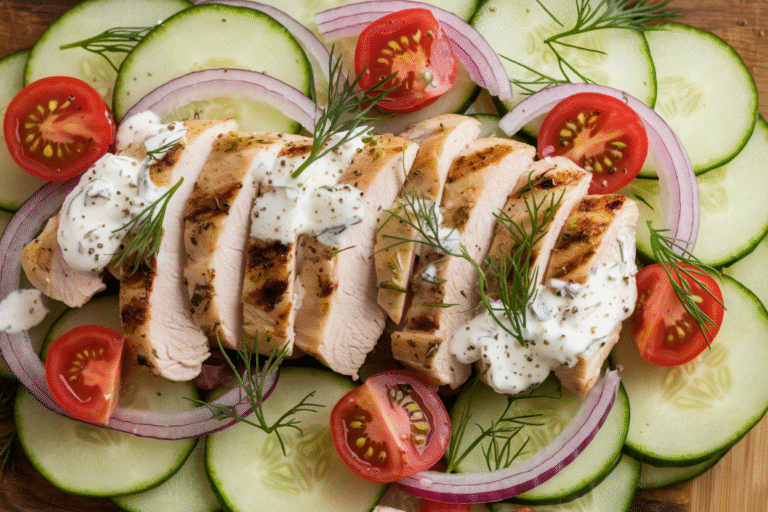
- Mediterranean bowl: Serve over farro with cucumbers, olives, cherry tomatoes, and tzatziki. Swap parsley for dill.
- Herb swap: Use Italian seasoning or fresh basil + oregano. Add a pinch of chili flakes for heat.
- Citrus twist: Replace honey with orange marmalade and finish with orange zest.
Bright and slightly sweet—great with roasted carrots.
- Grill it: Marinate as directed, then grill over medium-high 5–6 minutes per side. Brush with leftover marinade during last minute; don’t flare up the sugars.
- Thighs or bone-in: Use boneless thighs for juiciness; cook 6–7 minutes per side. For bone-in, sear skin-side down, then roast 15–20 minutes to temp.
FAQ
Can I make this ahead?
Yes.
Marinate up to 8 hours and cook when ready. Cooked chicken keeps well for 3–4 days; reheat gently with a splash of broth to keep it juicy.
What sides pair best?
Roasted potatoes, garlic green beans, lemony arugula salad, or quinoa pilaf. Anything that sops up sauce wins—hello, creamy polenta or mashed cauliflower.
Is balsamic glaze the same as balsamic vinegar?
No.
Glaze is reduced and sweeter. If using glaze, reduce or skip the honey and thin with a bit of water or broth to balance.
Can I make it without honey?
Absolutely. Use maple syrup or a pinch of brown sugar.
For no added sugar, reduce balsamic a bit longer in the pan to concentrate natural sweetness.
How do I avoid dry chicken breasts?
Pound to even thickness, don’t overcook, and rest after cooking. The quick pan sauce also adds moisture and flavor—don’t skip it.
Does this work with tofu or tempeh?
Yes. Press tofu, slice into slabs, marinate 30 minutes, then sear until crisp and glaze with the sauce.
Tempeh loves the tang too—steam first to mellow bitterness, then proceed.
Can I use dried herbs only?
Yes. Stick with the measurements given. Dried herbs are potent; if swapping fresh for dried, use three times the amount of fresh.
Final Thoughts
Herbed Balsamic Chicken is your shortcut to bold, restaurant-level flavor without complicated steps or pricey ingredients.
Sear hard, finish smart, and let that pan sauce do the heavy lifting. It’s flexible, prep-friendly, and ridiculously reliable. Make it once and it’ll be in your rotation before the dishes are dry—promise.
Printable Recipe Card
Want just the essential recipe details without scrolling through the article? Get our printable recipe card with just the ingredients and instructions.