This Sour Cream Pound Cake Is the buttery flex your dessert table didn’t know it needed
Forget boring cakes that apologize for existing. This Sour Cream Pound Cake shows up like it owns the place—rich, velvety, and unapologetically luxurious. One slice and you’ll understand why people guard their last piece like it’s gold.
It’s the kind of cake that makes brunch feel fancy and weeknights feel celebratory. Bake it once, and your friends will start “just stopping by” way more often. Coincidence?
Yeah, right.
What Makes This Recipe Awesome
- Perfect crumb, zero fuss: Sour cream adds moisture and a tight, tender crumb without making the cake heavy or gummy.
- Buttery flavor with balance: The tang from the sour cream cuts through the richness so the sweetness doesn’t smack you in the face.
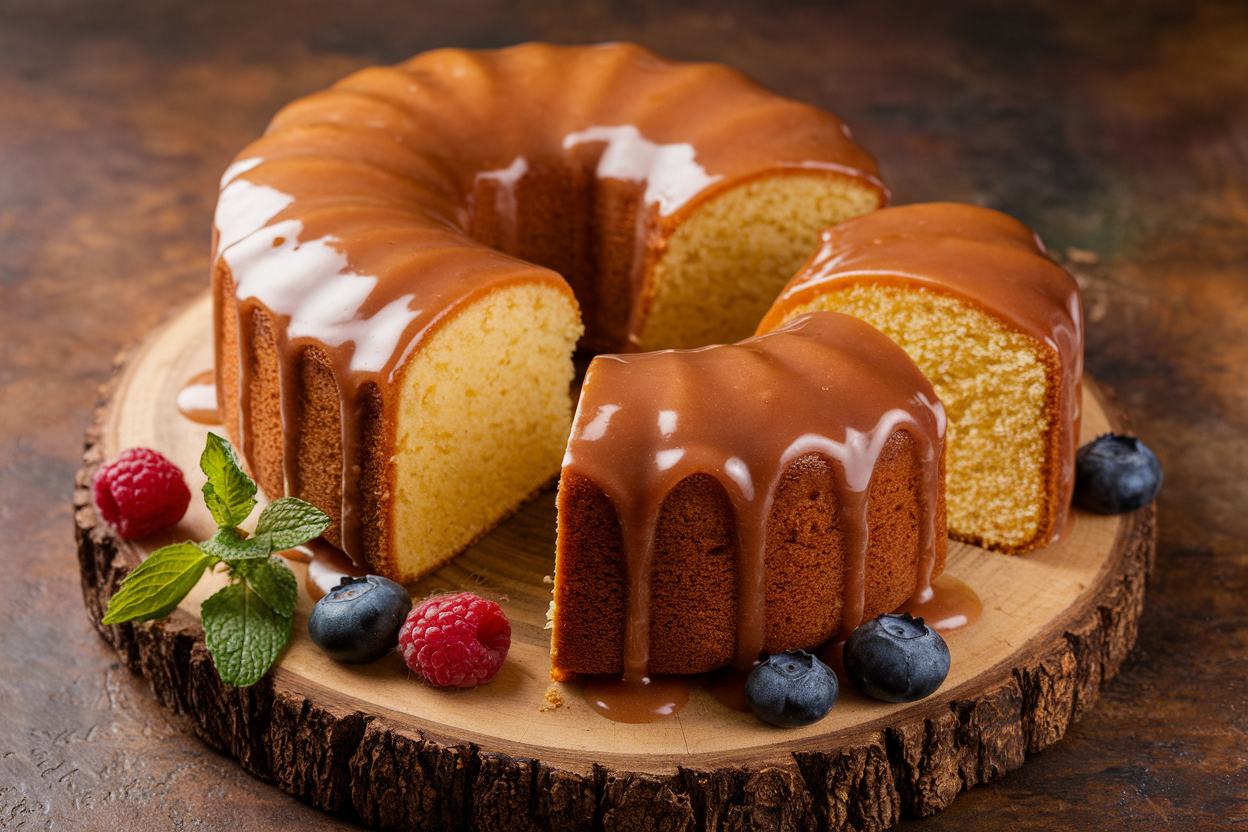
- Crackly golden crust: A slow bake creates that iconic, slightly crisp exterior that’s basically the best part.
- Ridiculously versatile: Plain, glazed, toasted, topped with berries, or dunked in coffee—this cake does it all.
- Make-ahead friendly: Stays moist for days and freezes like a champ. Your future self says thanks.
What You’ll Need (Ingredients)
- 1 cup (226 g) unsalted butter, room temperature
- 2 3/4 cups (550 g) granulated sugar
- 6 large eggs, room temperature
- 1 cup (240 g) full-fat sour cream, room temperature
- 3 cups (360 g) cake flour (or use all-purpose and subtract 2 Tbsp, then add 2 Tbsp cornstarch)
- 1/2 tsp baking soda
- 1/2 tsp fine sea salt
- 2 tsp pure vanilla extract
- 1 tsp almond extract (optional but highly recommended)
- Zest of 1 lemon or orange (optional for brightness)
- For pan: Softened butter and flour, or baking spray with flour
- Optional glaze: 1 cup powdered sugar + 2–3 Tbsp milk or lemon juice + pinch of salt
Let’s Get Cooking – Instructions
- Prep the pan and oven: Preheat oven to 325°F (163°C). Generously butter and flour a 10–12 cup Bundt pan or a large loaf pan, tapping out excess.
A well-prepped pan is your anti-sticking insurance.
- Whisk the dry team: In a bowl, whisk cake flour, baking soda, and salt until evenly combined. Set aside like a calm, organized person.
- Cream like you mean it: In a stand mixer, beat butter and sugar on medium-high for 4–5 minutes until very light and fluffy. This step is non-negotiable for lift and texture.
- Add eggs, one at a time: Beat in each egg fully before adding the next.
Scrape the bowl often so everyone participates. No rogue butter clumps allowed.
- Flavor boost: Mix in vanilla, almond extract, and citrus zest. Smell that?
That’s success.
- Sour cream + dry combo: On low speed, add one-third of the dry mixture, then half the sour cream, then another third of the dry, remaining sour cream, and finish with the last third of the dry. Mix just until combined. Overmixing = tough cake; don’t do it.
- Fill and smooth: Scrape batter into the prepared pan and smooth the top.
Tap the pan once or twice to pop big air bubbles.
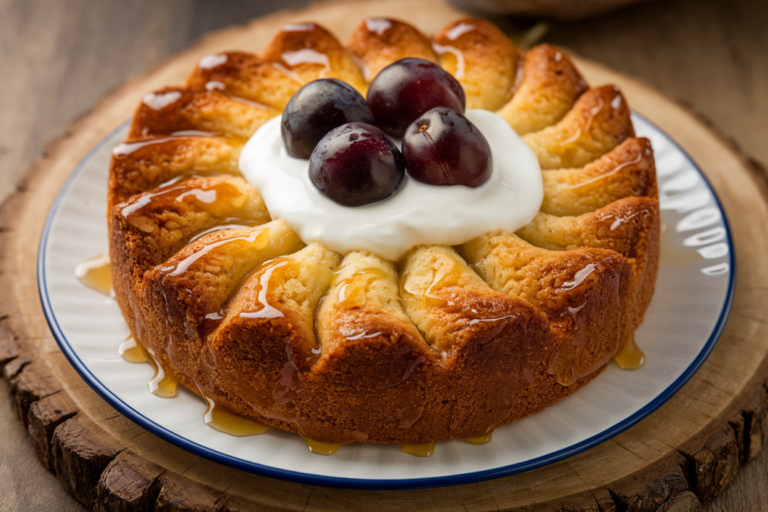
- Bake low and slow: Bake for 60–75 minutes, rotating once. It’s done when a skewer comes out with a few moist crumbs and the top is deep golden with a sexy crack.
- Cool like a pro: Let the cake rest in the pan for 15 minutes. Loosen edges gently, then invert onto a rack to cool completely.
Don’t rush; steam is not your friend here.
- Optional glaze: Whisk powdered sugar with milk or lemon juice and a pinch of salt until pourable. Drizzle over the cooled cake. Minimal effort, maximum glow-up.
Storage Tips
- Room temp: Wrap tightly or store in an airtight container for 3–4 days.
The flavor actually improves on day two—wild, right?
- Freezer: Wrap slices or the whole cake in plastic and then foil. Freeze up to 3 months. Thaw at room temperature, unwrapped once the exterior frost dissipates, to avoid sogginess.
- Reheat: For that just-baked vibe, warm slices in a 300°F oven for 5–7 minutes or toast lightly.
A little butter on a warm slice? Chef’s kiss.
Benefits of This Recipe
- Beginner-proof technique: Clear steps with room for small mistakes. This cake is forgiving—like a good friend with snacks.
- Budget-friendly luxury: Everyday ingredients turn into a bakery-level dessert.
No obscure specialty flours required.
- Scales beautifully: Double for a crowd, halve for a loaf. The crumb stays consistent, IMO.
- Year-round appeal: Works for summer berries, winter citrus, or straight-up plain when you “don’t do toppings.”
Common Mistakes to Avoid
- Cold ingredients: If butter, eggs, or sour cream are cold, the batter curdles and the cake bakes dense. Room temp = smoother emulsion.
- Under-creaming butter and sugar: Don’t rush.
You’re incorporating air, not just mixing. Pale and fluffy is the finish line.
- Overmixing after flour: Gluten develops fast. Mix until the streaks vanish, then stop.
Your future crumb will thank you.
- High oven temp: Too hot and the exterior burns before the center sets. 325°F is the sweet spot for that perfect crust.
- Skipping pan prep: Bundt pans have trust issues. Grease thoroughly and dust with flour; baking spray with flour is your shortcut.
Mix It Up
- Lemon Dream: Add 2 Tbsp lemon zest and swap half the vanilla for lemon extract. Finish with a lemon juice glaze.
- Almond Berry: Fold in 1 1/2 cups blueberries tossed in 1 Tbsp flour.
Use almond extract and top with sliced almonds before baking.
- Cinnamon Swirl: Layer half the batter, sprinkle a mix of 1/3 cup brown sugar + 2 tsp cinnamon, then add remaining batter.
- Chocolate Chip: Stir in 1 cup mini chocolate chips. Add 2 Tbsp cocoa to 1/2 cup of batter and marble it, if you’re feeling fancy.
- Brown Butter Upgrade: Brown the butter, cool to solid but soft, then proceed. Nutty, toasty, ridiculously good.
FAQ
Can I use Greek yogurt instead of sour cream?
Yes.
Use full-fat Greek yogurt for similar tang and moisture. The crumb will be slightly lighter and less rich, but still excellent.
Do I need cake flour?
Cake flour gives a finer crumb, but you can substitute with all-purpose by removing 2 tablespoons per cup and replacing with 2 tablespoons cornstarch. Sift well for best results.
Why did my cake crack on top?
That classic crack is normal in pound cakes and actually desirable—it signals a well-risen interior.
If it’s aggressively split, your oven might run a bit hot.
How do I prevent sticking in a Bundt pan?
Use a baking spray that contains flour or butter every crevice and dust with flour. Let the cake cool 15 minutes before inverting; flipping too hot or too cold increases sticking risk.
Can I make this gluten-free?
Use a high-quality 1:1 gluten-free baking flour with added binders. The texture will be slightly more delicate, so cool completely before slicing.
What if I don’t have almond extract?
Skip it or replace with extra vanilla.
Almond adds a subtle bakery-style note, but the cake is still a knockout without it.
How do I know it’s done without overbaking?
Look for a deep golden crust, slight pull from the pan edges, and a skewer that comes out with moist crumbs. Start checking at 60 minutes—FYI, every oven has a personality.
The Bottom Line
Sour Cream Pound Cake is the dessert equivalent of a tailored suit: timeless, flattering, and quietly flexing. It delivers rich flavor, a plush crumb, and a shattering crust with minimal drama.
Keep this recipe in your rotation and you’ll always have an ace up your sleeve—breakfast, dessert, or that “I’ll bring something” moment you forgot about until now. One bowl of batter, one glorious cake, zero regrets.
Printable Recipe Card
Want just the essential recipe details without scrolling through the article? Get our printable recipe card with just the ingredients and instructions.