Chicken Pasta Primavera Recipe That Turns Weeknights Into Applause-Worthy Dinners
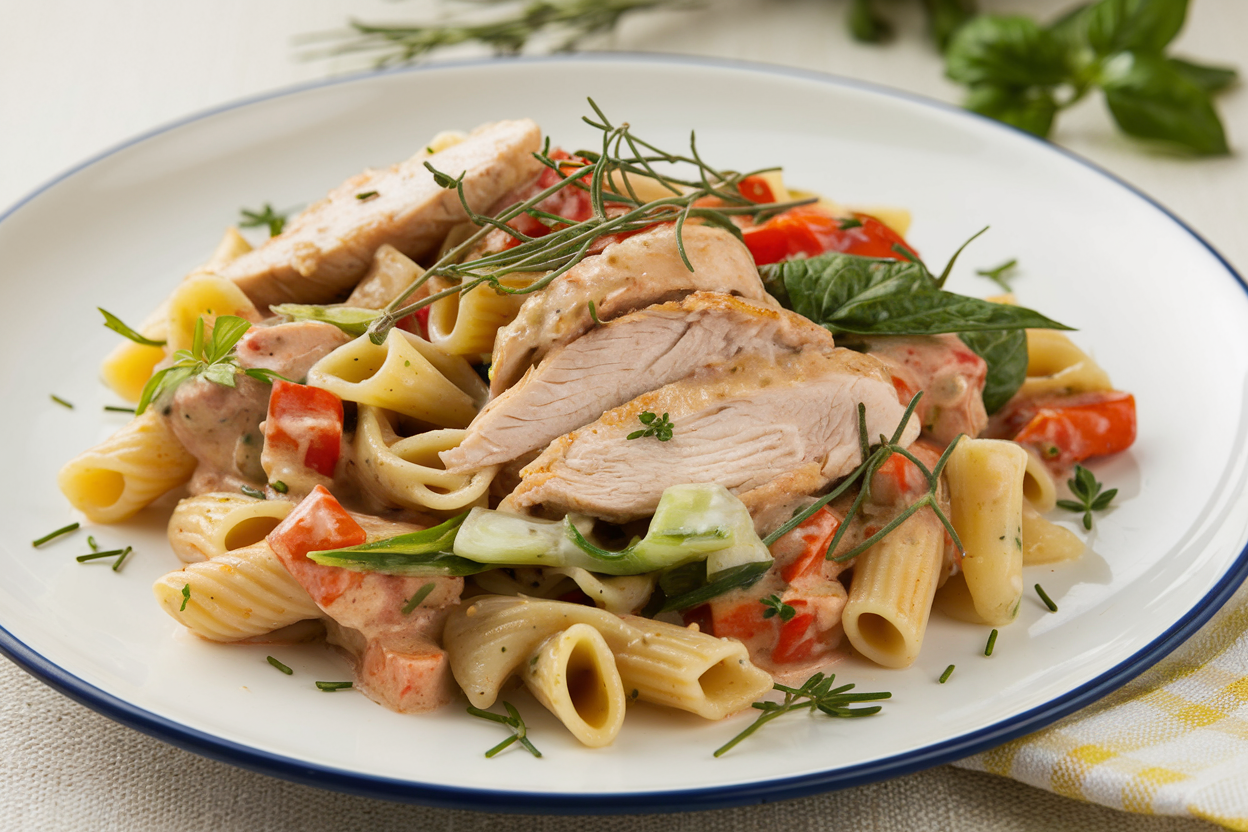
You know that meal that looks like you spent all afternoon on it but secretly takes less time than scrolling TikTok “for just a minute”? This Chicken Pasta Primavera Recipe is that cheat code. Crisp-tender veggies, juicy chicken, and silky garlic-parmesan sauce swirled through pasta—clean plates, zero drama.
It’s colorful, it’s bright, and it tastes like spring even on a Tuesday. If you’ve been settling for bland, consider this your upgrade. Your future self will high-five you.
What Makes This Special
Balance of comfort and freshness: You get creamy, cheesy satisfaction without the “I need a nap” heaviness.
The veggies do the heavy lifting.
One-pan efficiency: Most of this happens in a single skillet, which means fewer dishes and more you-time. Efficiency is flavor’s best friend.
Customizable by season: Primavera is basically “use your best produce” in Italian. Swap in what’s freshest or what’s already in your fridge—no flavor sacrificed.
Restaurant-level texture: The secret is using starchy pasta water to emulsify the sauce.
That glossy finish? Not magic—just technique.
Ingredients
- 12 oz (340 g) pasta (penne, farfalle, or fusilli)
- 1 lb (450 g) boneless, skinless chicken breasts, thinly sliced
- 2 tbsp olive oil, divided
- 2 tbsp unsalted butter
- 3 garlic cloves, minced
- 1 small yellow onion, thinly sliced
- 1 cup broccoli florets, bite-sized
- 1 cup asparagus, chopped into 1-inch pieces
- 1 red bell pepper, thinly sliced
- 1 small zucchini, halved lengthwise and sliced
- 1 cup cherry tomatoes, halved
- 1/2 cup frozen peas (no need to thaw)
- 1/2 cup grated Parmesan cheese (plus more to serve)
- 3/4 cup low-sodium chicken broth
- 1/2 cup heavy cream (or half-and-half for lighter)
- 1 lemon (zest and 1–2 tbsp juice)
- 1/4 tsp red pepper flakes (optional, but recommended)
- Salt and black pepper, to taste
- Fresh basil or parsley, chopped, for garnish
Let’s Get Cooking – Instructions
- Boil the pasta: Bring a large pot of salted water to a boil. Cook pasta until just shy of al dente.
Reserve 1 cup of pasta water, then drain.
- Season the chicken: Pat dry and season generously with salt and pepper. Add a pinch of red pepper flakes if you like heat.
- Sear like you mean it: Heat 1 tbsp olive oil in a large skillet over medium-high. Add chicken in a single layer; cook 3–4 minutes per side until golden and cooked through.
Transfer to a plate.
- Start the veg party: Add remaining 1 tbsp olive oil and the butter to the skillet. Toss in onion and broccoli; cook 2 minutes, stirring.
- Layer the greens: Add asparagus and bell pepper; cook 2–3 minutes until bright and just tender. Add zucchini and garlic; cook 1 minute until fragrant.
Season with salt and pepper.
- Build the sauce: Pour in chicken broth and bring to a lively simmer. Stir in cream and 1/3 cup pasta water. Reduce heat to medium-low; simmer 2 minutes to thicken slightly.
- Cheesy gloss: Stir in Parmesan until it melts and the sauce looks silky.
Add more pasta water as needed for a loose, glossy coating.
- Finish with freshness: Add peas, cherry tomatoes, lemon zest, and juice. Cook 1 minute—peas heat through, tomatoes soften a touch.
- Combine: Return chicken (and juices) to the pan. Add pasta and toss vigorously until everything’s coated.
Taste and adjust salt, pepper, and lemon.
- Serve: Top with extra Parmesan and chopped basil or parsley. If you want drama, a drizzle of good olive oil right before serving.
How to Store
- Refrigerate: Cool completely, then store in an airtight container for up to 4 days.
- Reheat: Warm gently on the stovetop with a splash of water or broth to loosen the sauce. Microwave on medium power in 60–90 second bursts, stirring between.
- Freezer: Not ideal due to the cream and veggies.
If you must, freeze up to 2 months; thaw overnight and reheat with extra cream or broth to restore texture. IMO fresh is best.
Health Benefits
- Lean protein: Chicken breast provides high-quality protein for muscle repair and satiety without heavy saturated fat.
- Fiber + micronutrients: A rainbow of vegetables brings fiber, vitamin C, folate, potassium, and antioxidants. Your immune system sends its regards.
- Smart carbs: Pasta supplies steady energy; choose whole-grain for extra fiber and minerals if that’s your vibe.
- Controlled richness: Using broth plus a modest amount of cream keeps the sauce velvety without going full Alfredo-mode.
Don’t Make These Errors
- Overcooking the veggies: Mushy primavera is culinary sadness.
Stop while they’re crisp-tender—carryover heat will finish the job.
- Skipping the pasta water: It’s the free emulsifier that bonds sauce to pasta. No water = sauce sliding off like it’s avoiding commitment.
- Crowding the chicken: Steam = pale, rubbery chicken. Sear in batches for browning and flavor.
- Dumping cheese over high heat: Parmesan can clump if the sauce is boiling.
Lower the heat, then stir it in.
- Forgetting acid: Lemon brightens and balances richness. Without it, the dish tastes flat. Don’t skip.
Mix It Up
- Protein swaps: Try shrimp, turkey, or Italian chicken sausage.
For vegetarian, use cannellini beans or crispy tofu.
- Pasta choices: Rigatoni and farfalle hold sauce well. Gluten-free pasta works—cook it gently and rinse lightly to reduce gumminess.
- Veg by season: Spring: snap peas, artichokes. Summer: corn, yellow squash.
Fall: roasted mushrooms, kale. Winter: Brussels sprouts (thinly sliced), spinach.
- Lighter sauce: Use half-and-half, or swap cream for an extra splash of broth plus 2 tbsp mascarpone or Greek yogurt off heat (FYI: add yogurt after removing from heat to prevent curdling).
- Herb profiles: Basil for sweet, parsley for fresh, tarragon for a subtle anise note, or thyme for earthiness.
- Spice it up: Add Calabrian chili paste or more red pepper flakes. Because flavor should have a personality.
FAQ
Can I make this ahead?
You can cook the chicken and prep the veggies up to 24 hours in advance.
For best texture, cook the pasta and finish the sauce right before serving. If making fully ahead, undercook the pasta by 1–2 minutes and revive with a splash of broth when reheating.
What’s the best pasta shape for primavera?
Short shapes with ridges or curves—penne, fusilli, farfalle—hold the sauce and nestle vegetables nicely. Long pasta works, but you’ll lose some veggie-to-noodle harmony.
How do I keep the sauce from breaking?
Lower the heat before adding cream and cheese, and stir steadily.
Use pasta water to emulsify. If it starts to separate, whisk in a tablespoon of cold cream or a knob of butter off heat to bring it back.
Can I make it dairy-free?
Yes. Use olive oil instead of butter, swap cream for unsweetened oat or cashew cream, and replace Parmesan with a dairy-free Parmesan alternative or nutritional yeast for a savory boost.
Is whole-wheat pasta good here?
Absolutely.
Its nuttiness plays well with the veggies. Just cook it a minute less than the package suggests to avoid a heavy texture, and be generous with the lemon and herbs to keep it bright.
What wine pairs well with this?
A crisp Pinot Grigio, Sauvignon Blanc, or a light Chardonnay (unoaked) complements the lemon and vegetables without bulldozing the sauce. If red is your move, a chillable Pinot Noir works.
Final Thoughts
Chicken Pasta Primavera is that rare unicorn: fast, fresh, and impressive without trying too hard.
It respects your time, flatters your taste buds, and somehow gets even better with a pinch of lemon and a shower of Parmesan. Keep it simple on weeknights or flex with artisan pasta and fancy olive oil when company comes over. Either way, this is a keeper—you’ll make it once and wonder why you ever tolerated boring dinners.
Printable Recipe Card
Want just the essential recipe details without scrolling through the article? Get our printable recipe card with just the ingredients and instructions.