Unlock the Golden Magic: How to Master Swedish Saffron Buns That Wow Every Time
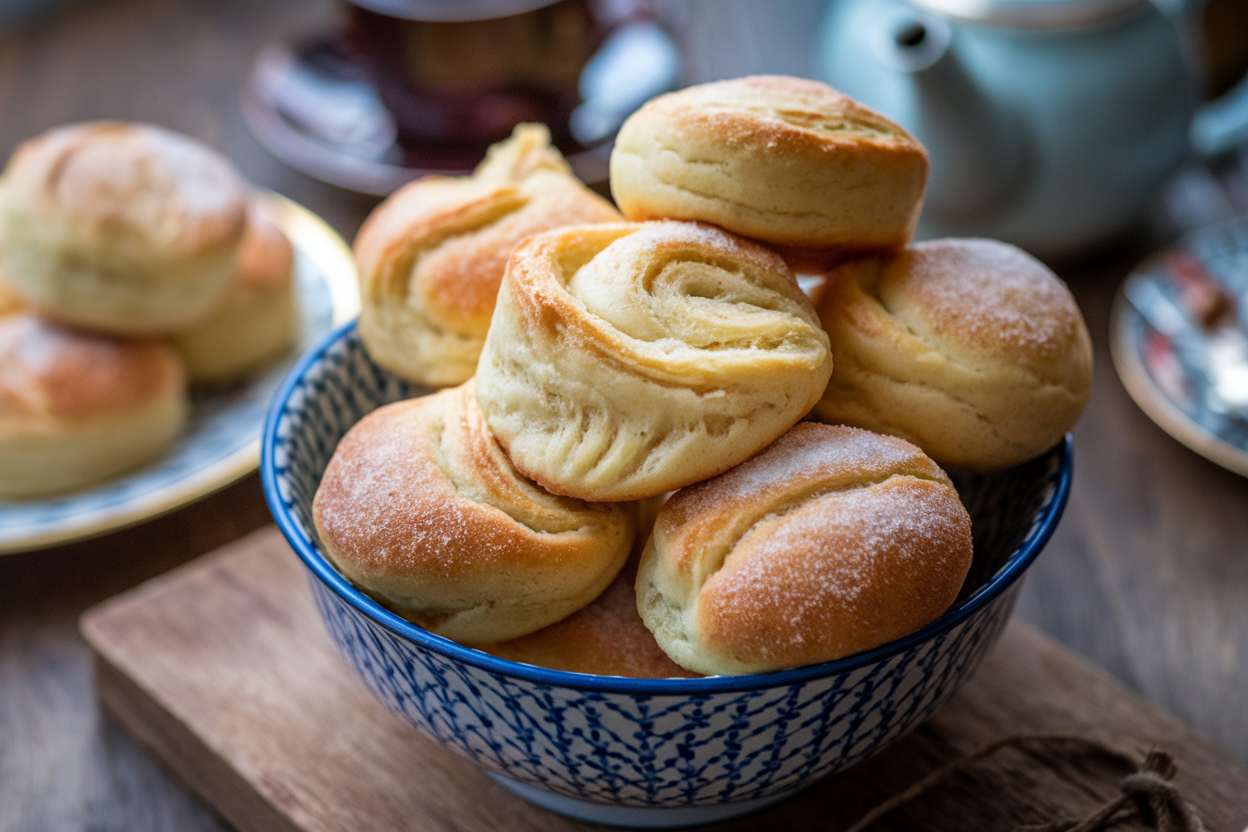
If you think buns are just buns, think again. Swedish Saffron Buns are the kind of treat that turns an ordinary afternoon into an Instagram-worthy event. With their golden glow and intoxicating aroma, these buns don’t just taste like Sweden—they look like it too.
Want your kitchen to smell like a winter wonderland and have people begging for the recipe? Yeah, that’s exactly what we’re cooking up today.
The Secret Behind This Recipe
Here’s the deal: Swedish Saffron Buns, or Lussekatter, owe their magic to the ancient, mysterious power of saffron. This expensive little spice isn’t just for show; it’s what makes these buns glow and sing with flavor.
The subtle floral notes, combined with the rich buttery dough, create a flavor as comforting as a Nordic hug. Oh, and did I mention these buns are traditionally baked around St. Lucia’s Day in Sweden?
It’s basically a cultural moment baked into every twist and swirl. The real secret? Patience.
Good yeast + slow, gentle proofing + saffron-infused milk results in buns so delicate, you might swear they’re made of clouds.
Ingredients
- 1 gram saffron threads (roughly half a teaspoon)
- 1/4 cup whole milk
- 1/2 cup sugar
- 1/2 cup unsalted butter, melted and cooled
- 2 1/4 teaspoons active dry yeast (1 packet)
- 2 large eggs (one for the dough, one for brushing)
- 3 1/2 cups all-purpose flour
- 1/2 teaspoon salt
- Raisins for decoration
Instructions
- Infuse the saffron: Warm the milk just a bit (not boiling!) and steep the saffron threads for about 10 minutes. This is the golden secret weapon.
- Activate the yeast: In a bowl, mix the yeast with a tablespoon of the sugar and a splash of warm water. Let it bloom until foamy (about 5 minutes).
If it doesn’t foam, grab a new yeast packet—your buns won’t rise otherwise.
- Mix the dough: In a large bowl, combine the rest of the sugar, melted butter, salt, egg, saffron milk, and the yeast mixture.
- Add flour: Stir in the flour—start with 3 cups and add more until you get a soft, non-sticky dough. Your hands will hate you but trust me, you’re almost there.
- Knead: Turn the dough onto a floured surface and knead for about 8-10 minutes until smooth and elastic. Your biceps get a workout, but it’s worth it.
- First proof: Place dough in a lightly greased bowl, cover it, and let it rise somewhere warm until doubled in size—about 1 to 1.5 hours.
- Shape the buns: Divide the dough into 16 pieces.
Roll each piece into a rope, then shape into the classic “S” shape by curling each end in opposite directions. Pop raisins into the curls. Now you’re styling like a pro.
- Second proof: Let your shaped buns rest on a baking sheet lined with parchment for 30-45 minutes, covered lightly with a towel.
- Final prep: Preheat your oven to 375°F (190°C).
Beat the second egg and brush gently over the buns for that perfect golden shine.
- Bake: Bake for 12-15 minutes or until golden and heavenly scented. Don’t ghost on the oven here—watch them closely.
- Cool: Let cool on a wire rack and try not to inhale the whole batch immediately.
Keeping It Fresh
Swedish Saffron Buns show up looking fresh out of a fairytale… but reality hits fast. To keep them soft and scrumptious, store them in an airtight container at room temperature for up to two days.
If you’re not planning a loot of cream and butter slathering that day (FYI, you really should), slice and freeze them for up to a month—just toast or warm before serving. Avoid the fridge unless you want bricks masquerading as buns.
What’s Great About This
There are buns, and then there are Swedish Saffron Buns. Here’s why these bad boys are a total game-changer:
- Alice-in-Wonderland color: Thanks to saffron, these buns aren’t just tasty—they glow.
- Perfect balance: Subtle saffron aroma meets buttery richness without overwhelming sweetness.
- Cultural connection: You’re not just baking buns—you’re baking a centuries-old Swedish tradition.
- Visual flair: The elegant “S” shape adds a whimsical touch that screams “I’m fancy.”
Don’t Make These Errors
Everyone’s rookie baking mistakes deserve a show of sympathy.
Here’s what not to do:
- Skipping saffron infusion: Throwing saffron directly in with the flour? Nope. Saffron needs to bloom in warm milk to deliver the full golden impact.
- Hot milk overload: Want to kill the yeast?
Overheated milk is the silent assassin of dough rise.
- Not proofing yeast: Yeast doesn’t just magically work. No foam? No bake.
- Under/over-kneading: Knead too little and your buns will be gummy.
Too much and you get tough buns. Aim for ‘elastic but soft.’
Alternatives
Out of saffron? Don’t panic.
Here are a few swaps and twists to try, although none quite capture the original vibe:
- Turmeric: For color only—a tiny pinch can mimic saffron’s golden hue, but lacks the floral taste.
- Cardamom: Common in Nordic baking, adds a spicy warmth but changes the flavor profile.
- Orange zest: For a citrus twist that brightens it up without stealing the show.
- Vegan option: Substitute butter with coconut oil and use plant-based milk and egg replacer. It won’t be traditional, but it’s still delicious.
FAQ
Can I use saffron powder instead of threads?
Yes, but use sparingly. Saffron powder is more concentrated, so a pinch will do.
The threads tend to give a fresher and more complex aroma, but powder works in a pinch (pun intended).
Why do my buns turn out dense?
Your yeast might be old or the dough was kneaded too little. Also, insufficient rising time is a common culprit. Patience is king here—let the dough fully double before shaping.
Can I prepare the dough the night before?
Absolutely.
After the first rise, you can refrigerate the dough overnight. Just make sure to let it come back to room temp before shaping and the second proof. It’s a great way to split up your baking day.
What can I serve with Swedish Saffron Buns?
Traditionally, these buns are enjoyed plain or with a smear of butter.
You can also elevate the experience with coffee or glögg (Swedish mulled wine). For the sweet tooth, whipped cream or jam pairs beautifully.
Is saffron expensive? Can I skip it?
Saffron is pricey, but using just a gram goes a long way (and it’s worth the splurge).
Skipping saffron makes it a regular sweet bun—not awful, just missing the magic.
The Bottom Line
Swedish Saffron Buns aren’t just another bakery item; they’re edible sunshine in a swirl. Perfectly golden, subtly spiced, and steeped in tradition, these buns bring a cozy vibe fit for any season but especially the holidays. Yes, they require some patience and finesse, but the payoff?
An intoxicating mix of flavor, aroma, and cultural heritage that would make any Swede proud. Whether you’re baking for a crowd or just yourself, mastering these buns feels like unlocking a little slice of Nordic happiness. So, grab that saffron and get twisting—your taste buds are going to thank you.
Printable Recipe Card
Want just the essential recipe details without scrolling through the article? Get our printable recipe card with just the ingredients and instructions.